info@awrl.org +880-2-XXXXXXX Bangladesh Forest Research Institute, Chittagong

Advancing Agarwood Knowledge

AWRL conducts interdisciplinary research spanning forest ecology, plant biochemistry, microbiology, and agronomy to unlock the full potential of Aquilaria trees as a sustainable source of high-value agarwood resin.

Inoculation Techniques

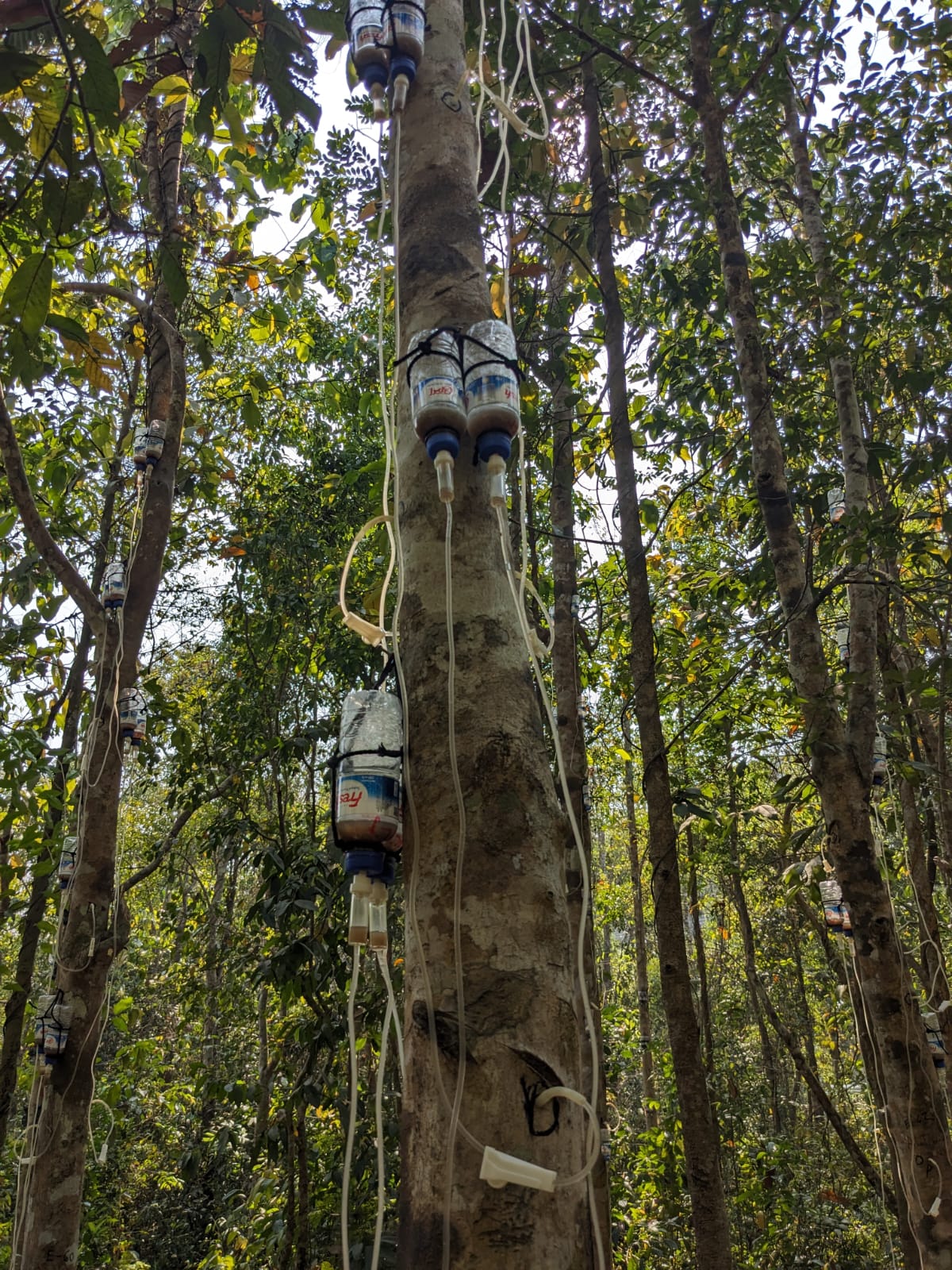
Conventional agarwood harvesting relies on natural wounding or fungal infection, which is unpredictable and often destroys the tree. Our research focuses on controlled, whole-tree inoculation protocols that trigger resin production while keeping the tree alive and productive.

Key Activities

  • Screening of indigenous fungal strains (Fusarium solani, Aspergillus spp.) as inoculants
  • Development of chemical elicitor formulations (methyl jasmonate, salicylic acid)
  • Optimisation of wounding patterns and injection delivery systems
  • Multi-season field trials across diverse forest zones
  • Resin mapping using wood-core sampling and imaging techniques
Target Outcome: A standardised, repeatable inoculation kit deployable by trained farmers with a 70%+ resin induction success rate.

Sustainable Cultivation

Expanding agarwood production while protecting wild populations requires robust cultivation systems. AWRL develops integrated agroforestry models suited to Bangladesh's varied soil and climatic conditions.

Key Activities

  • Site suitability mapping for Aquilaria plantations
  • Propagation techniques: seed germination, tissue culture, and grafting
  • Intercropping models to enhance farmer income during the long maturation period
  • Soil nutrition and irrigation management studies
  • Pest and disease management guidelines
Target Outcome: Scalable cultivation protocols that double Aquilaria plantation area in Bangladesh within 5 years.

Quality Analysis & Standardisation

Agarwood quality determines market value. AWRL establishes scientifically grounded quality standards for Bangladeshi agarwood to facilitate fair trade and premium market access.

Key Activities

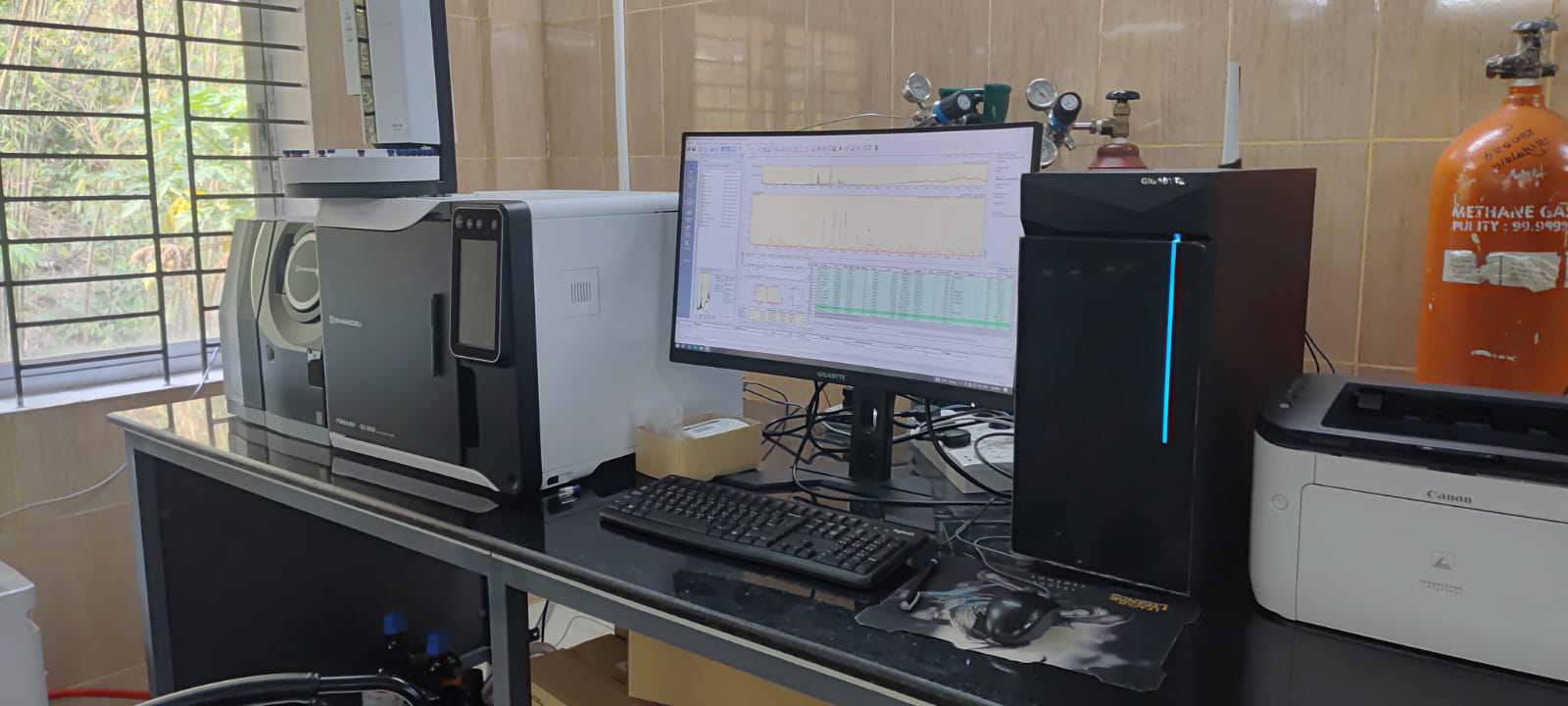
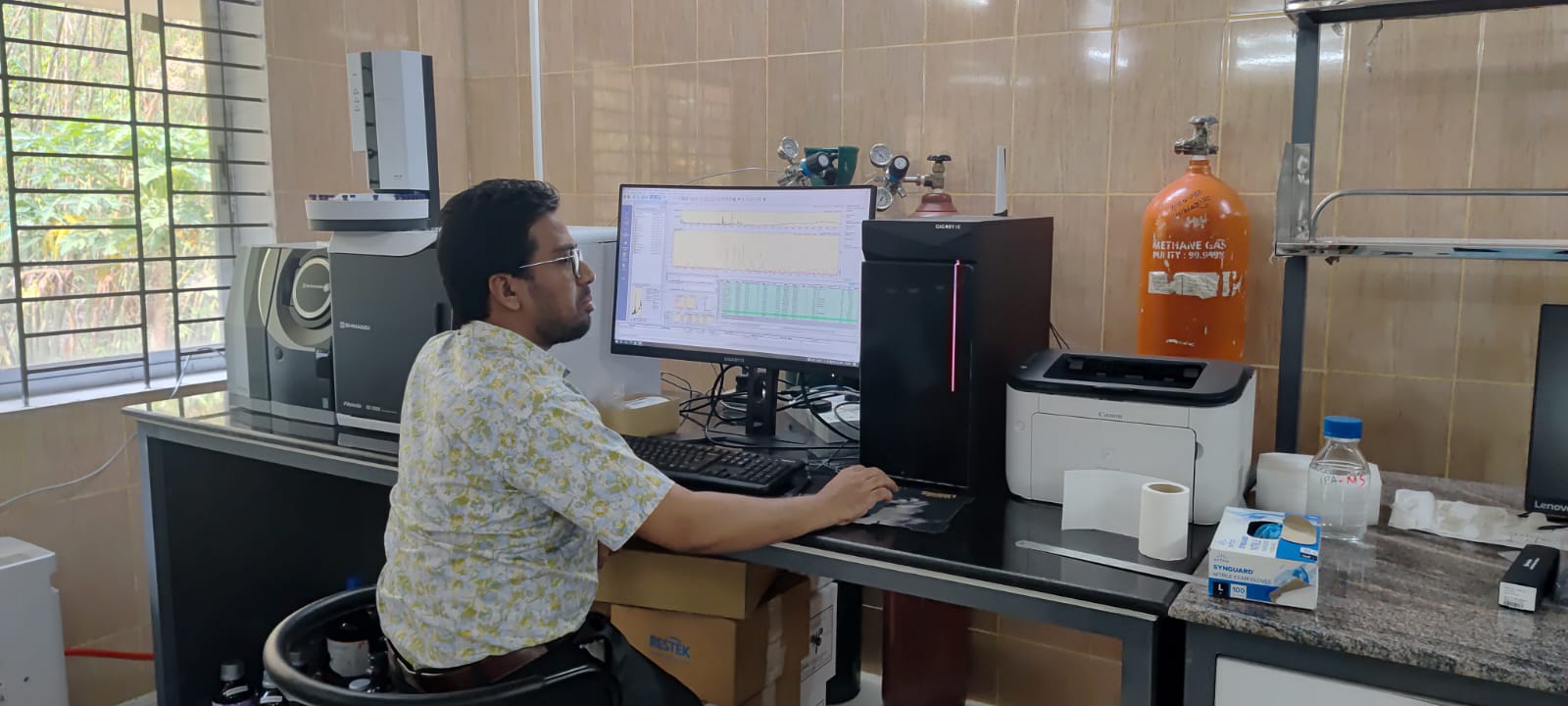
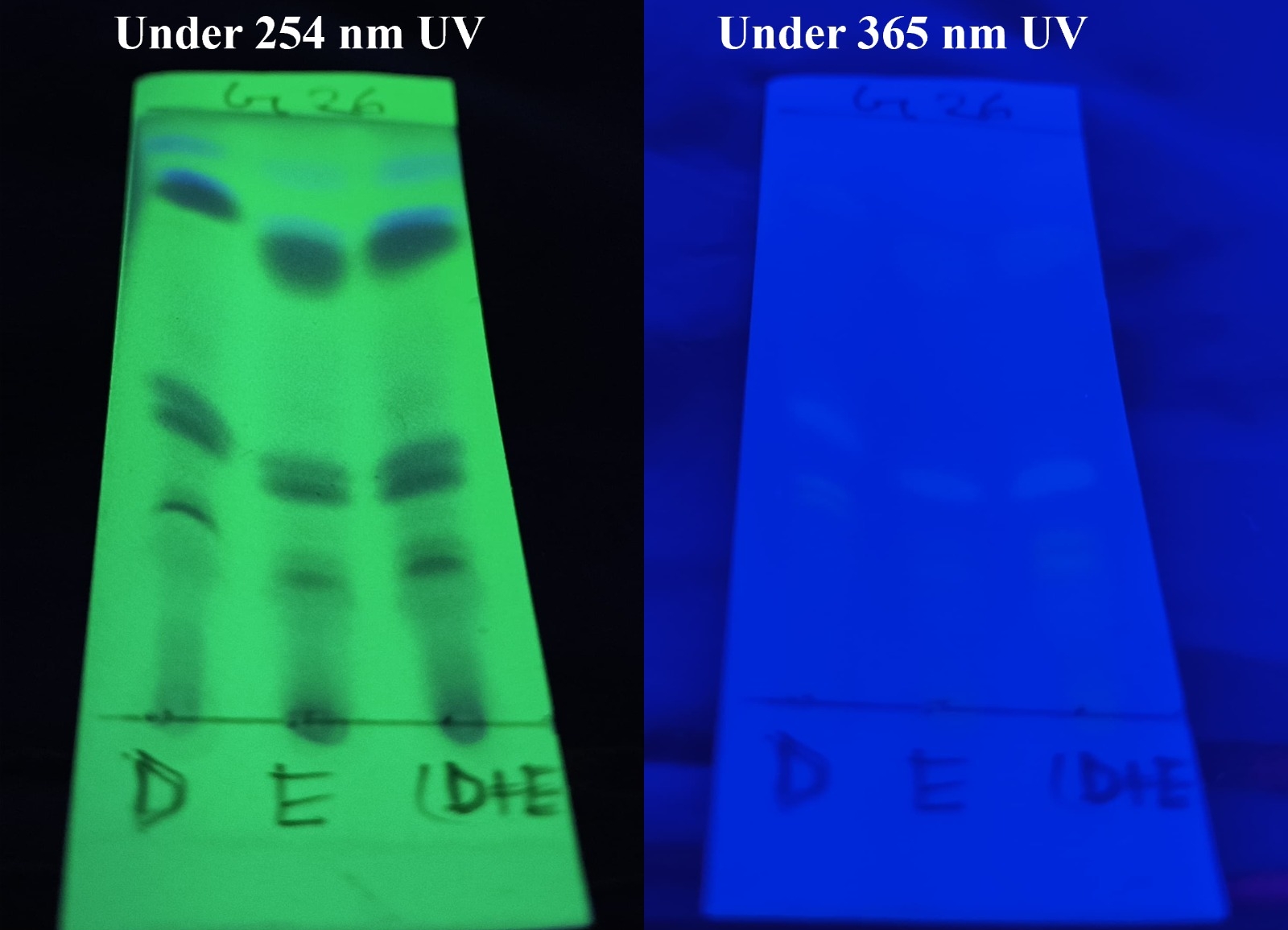
  • GC-MS profiling of sesquiterpenes and chromones in wood and oud oil
  • Sensory evaluation and benchmarking against Middle Eastern market standards
  • Development of national quality grading system
  • Comparison of quality outcomes across different inoculation methods
  • Collaboration with international perfumery labs for market feedback
Target Outcome: Official Bangladeshi Agarwood Quality Standard recognised by ISO and CITES trade bodies.

Publications & Reports

2026

Sesquiterpene Biosynthesis Pathway in Mechanically Wounded Aquilaria malaccensis

Rahman M.A., Islam S., Hossain K. et al. — Journal of Natural Products, 89(3), 412–425.

Download PDF
2025

Comparative Efficacy of Biological and Chemical Inoculants for Agarwood Resin Induction

Karim A., Begum F., Das P. — Forest Ecology and Management, 512, 120310.

Download PDF
2025

Economic Feasibility of Agarwood Agroforestry in Sylhet, Bangladesh

Ahmed N., Akter S. — Agroforestry Systems, 99(1), 88–103.

Download PDF
2024

GC-MS Characterisation of Oud Oil from BFRI Trial Plantations

Hasan M., Islam R. — BFRI Research Bulletin No. 47.

Download PDF